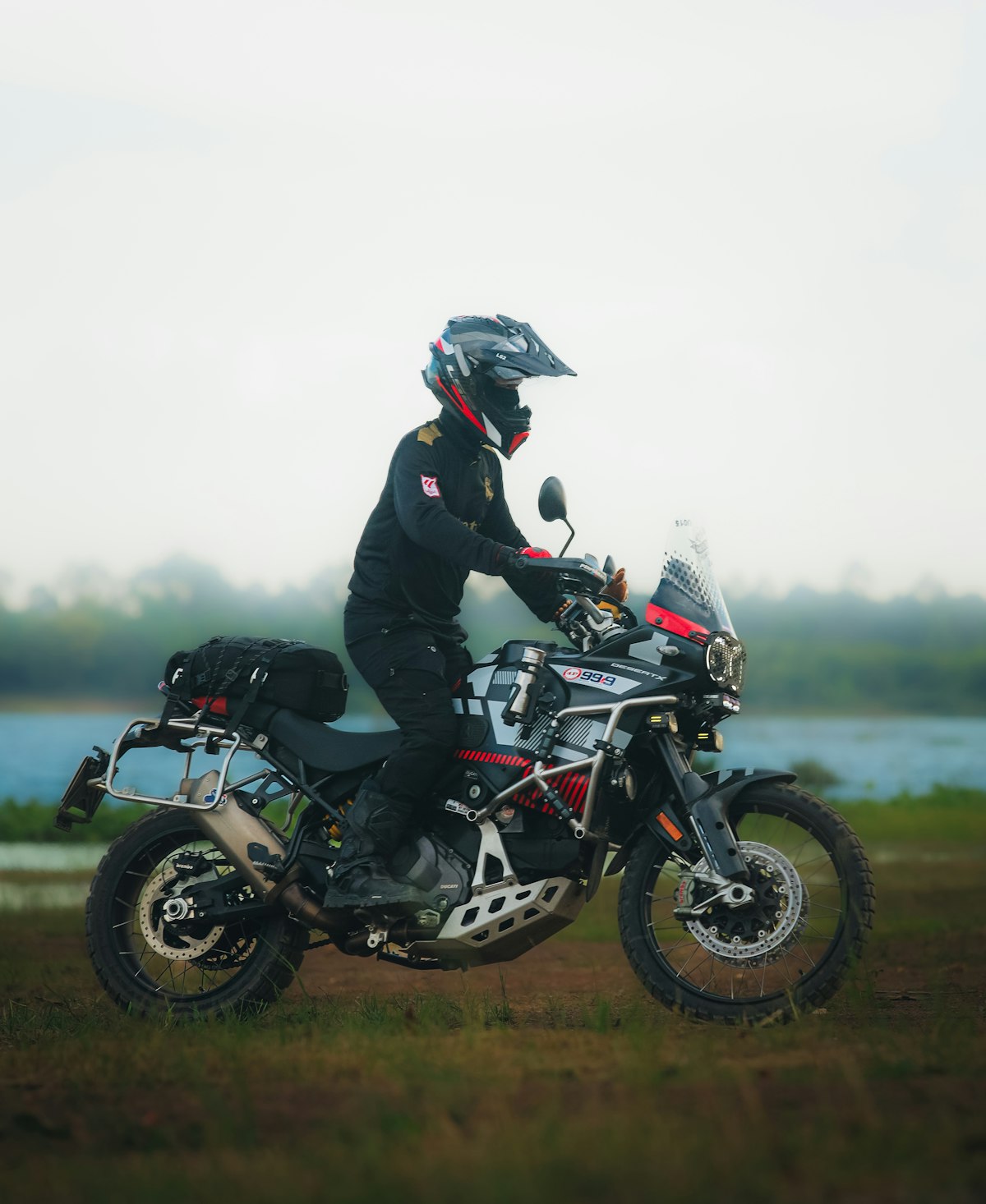
At 13,700 feet, Sela Pass tests both machine and rider. Here's our account of traversing one of India's highest motorable roads in winter.
Sela Pass stands as one of India's most exhilarating and challenging mountain roads. Located between Tawang and Bomdila in Arunachal Pradesh, this pass sits at an altitude of 13,700 feet, making it the gateway to one of the remotest regions of the Northeast. For bike enthusiasts, conquering Sela Pass is more than just a ride—it's a rite of passage.
The Challenge of Altitude
As you ascend toward Sela Pass, the air grows thinner and the temperature drops dramatically. The winding roads snake through dense forests before opening up to breathtaking alpine meadows. The lack of oxygen at this altitude demands respect—riders report difficulties breathing, and machines struggle with the thin air. Many who attempt the pass experience altitude sickness, making proper acclimatization essential.
Winter Riding: A Different Beast
Tackling Sela Pass in winter transforms the journey into an entirely different experience. Snow blankets the road, visibility drops to mere meters, and the tarmac becomes treacherous. Several hairpin turns combined with icy conditions create obstacles that only experienced riders should attempt. The pass occasionally closes during the heaviest snowfall, and those who brave the journey witness landscapes few have seen.
Accommodation and Support
Near the pass, you'll find basic guesthouses and military camps offering shelter. Planning your route carefully is crucial—fuel stations are sparse, and mechanical support is limited. Carry extra fuel, spare parts, and emergency supplies. The nearest major town is Tawang, which offers better facilities and serves as an ideal base for acclimatization.
The Views Worth Every Mile
Standing atop Sela Pass at sunrise is an experience that transcends description. The vista stretches across endless ranges, with clouds rolling through valleys below. On clear days, visibility extends for miles, revealing the raw beauty of Arunachal Pradesh's mountain terrain. This is why riders return again and again.
Essential Tips
Travel with a group if possible—safety in numbers applies on mountain roads. Check your bike's brakes, tires, and engine before attempting the pass. Carry a first aid kit and communicate your route to locals. Most importantly, know your limits and turn back if conditions become unsafe. The pass will always be there for another attempt.